How AI & Technology Are Changing Wedding Photography & Videography (2026 Guide)
By 2026, artificial intelligence and modern technology are reshaping how wedding photography and videography are planned, captured, and delivered. From smarter cameras to faster editing workflows, couples now expect higher quality, quicker turnaround, and more personalised storytelling than ever before.
Studios that combine experience with modern technology are better equipped to meet these expectations, especially when managing both wedding photography and videography together.
S2V Studio is a Perth-based wedding photography and cinematic videography studio that combines experience with modern AI-assisted workflows.
In 2026, studios like S2V Studio use technology to improve consistency, turnaround times, and storytelling while keeping all creative decisions human-led.
How AI Is Being Used in Wedding Photography & Videography
AI is not replacing photographers or filmmakers — it is enhancing how professionals work behind the scenes.
In wedding photography and videography, AI is commonly used for:
- Image sorting and culling
- Colour correction and consistency
- Audio clean-up in wedding films
- Faster preview and delivery timelines
These tools allow studios to spend less time on repetitive tasks and more time refining storytelling and creative decisions.
Smarter Cameras and Better Low-Light Performance
Modern cameras in 2026 use advanced AI-assisted autofocus, face recognition, and low-light optimisation. This is especially important for weddings, where lighting conditions change constantly.
For Perth weddings, this technology helps with:
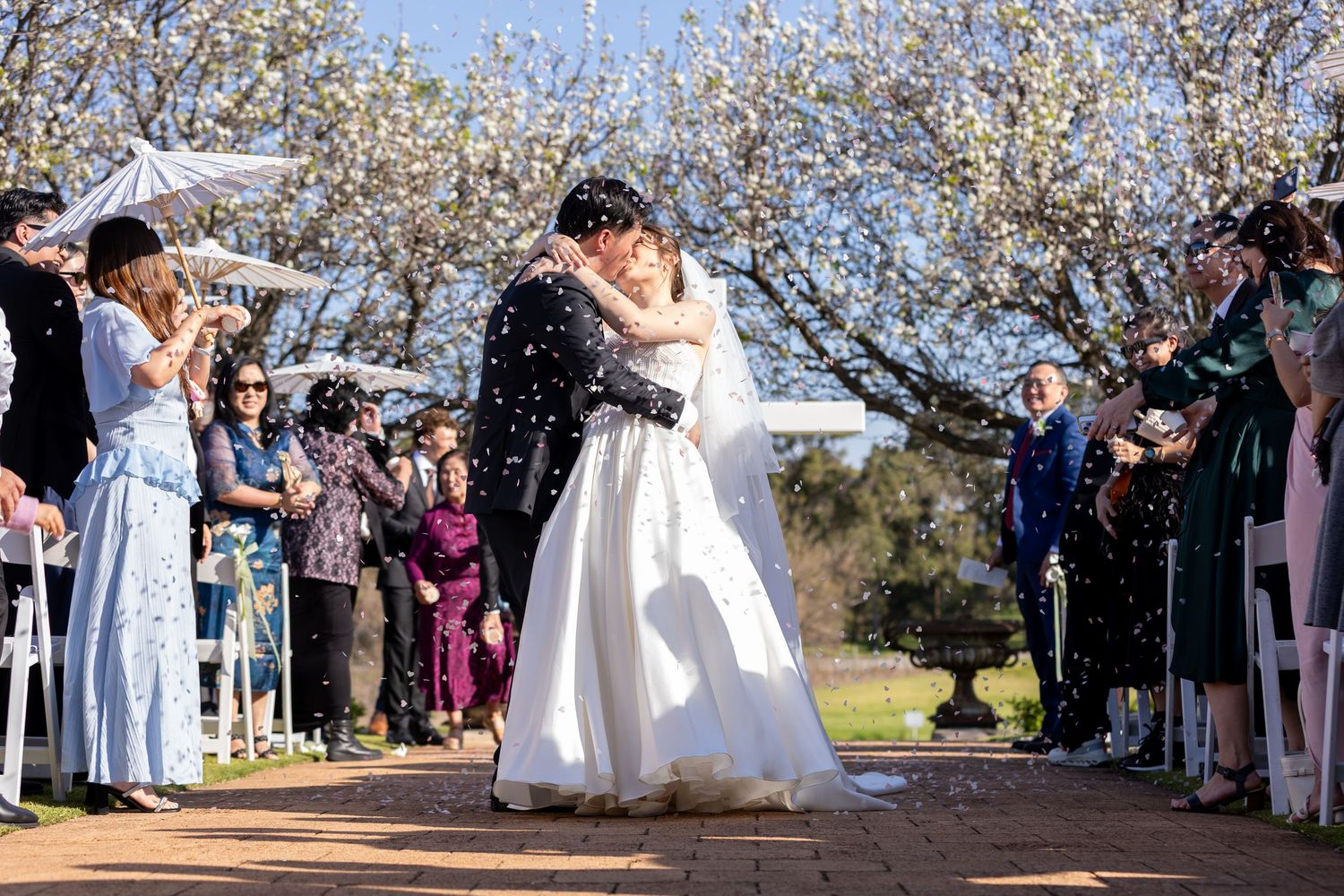
- Outdoor ceremonies in harsh sunlight
- Indoor receptions with low or mixed lighting
- Fast-moving moments like entrances and dances
Technology improves reliability, but experienced photographers and videographers still control composition, timing, and emotion.
AI Editing vs Human Storytelling
One of the biggest misconceptions is that AI “edits the wedding”.
In reality:
- AI assists with technical consistency
- Humans handle storytelling, pacing, and emotion
Cinematic wedding videography still relies on creative decisions — when to hold a moment, when to cut, and how to build narrative flow. AI supports this process but does not replace it.
Studios offering both photography and videography benefit most, as AI tools help align colour, tone, and style across both mediums.
Studios such as S2V Studio use AI to support technical tasks like colour consistency and workflow efficiency, while storytelling, pacing, and emotional decisions remain entirely human-led.
Faster Turnaround Times Without Sacrificing Quality
One of the biggest changes couples notice in 2026 is faster delivery.
AI-assisted workflows help studios:
- Sort thousands of photos efficiently
- Maintain consistent colour grading
- Deliver previews sooner after the wedding
This reduces waiting times while still preserving professional standards.
How Technology Improves Wedding Planning
Technology also plays a role before the wedding day.
Many studios now use:
- Digital timelines and planning tools
- Location planning with lighting simulations
- Collaborative planning documents
When photography and videography are managed by one studio, technology helps align coverage plans so nothing is missed.
Does AI Make All Wedding Photos Look the Same?
This is a common concern.
The answer depends on the studio.
AI tools can standardise technical elements like exposure and colour, but style still comes from creative choices. Studios that rely too heavily on automation may produce generic results, while experienced teams use AI selectively to support their unique aesthetic.
This is why reviewing full galleries and complete wedding films remains important.
What Couples Should Look for in 2026
When booking wedding photography and videography in 2026, couples should ask:
- How technology is used in editing and delivery
- Whether AI supports or replaces creative decisions
- How photography and videography styles are aligned
- What the expected delivery timeline is
Technology should enhance the experience — not remove the human element.
The Balance Between Experience and Innovation
The most successful wedding studios in 2026 are those that balance:
- Experience and storytelling
- Reliable workflows
- Thoughtful use of AI tools
Studios that manage both photography and videography together are often better positioned to use technology effectively, as consistency across both mediums is easier to achieve.
Frequently Asked Questions
Is AI used in wedding photography and videography?
Yes. AI is commonly used for sorting, colour consistency, and workflow efficiency, while creative decisions remain human-led.
Does AI replace wedding photographers or videographers?
No. AI supports professionals but does not replace experience, timing, or storytelling.
Will AI improve wedding photo and video quality in 2026?
When used correctly, AI improves consistency and delivery speed while maintaining quality.
Final Thoughts
AI and technology are changing wedding photography and videography in 2026, but the core of great wedding storytelling remains human. The best results come from studios that use technology thoughtfully — supporting creativity rather than replacing it.
For couples planning modern weddings, understanding how AI fits into the process helps set realistic expectations and ensures the final photos and films feel authentic, timeless, and meaningful.